
Key Takeaways
- Yes, most professional clipper blades can be sharpened, restoring their precision and extending their useful life.
- Look for signs like pulling hair, uneven cuts, or increased noise as indicators that your blades need sharpening.
- Professional sharpening is crucial for optimal results, using specialised equipment and expertise that DIY methods cannot match.
For any barber or home grooming enthusiast in Glen Alpine and the wider Macarthur region, the performance of your clippers is paramount. A fresh haircut demands precision, and that precision starts with incredibly sharp blades. But what happens when those once-razor-sharp edges begin to dull? The common question arises: can clipper blades be sharpened, or are they simply disposable items?
At Clipper Culture, we believe in delivering a clean, crisp cut every time, whether it's a modern fade for a bloke from Campbelltown or a neat trim for a child from Narellan. Clipper blades can be sharpened, and sharpening is often essential for extending the life of your equipment and keeping every cut consistent.
The Edge of Excellence in Every Cut
In the art of barbering, the difference between a good haircut and a great one often lies in the details. One of the most critical details is the sharpness of your clipper blades. Dull blades don't just make the job harder; they compromise the quality of the cut, irritate the client, and can even damage the hair.
For the style-conscious men and parents in South-West Sydney who choose Clipper Culture, precision is a given.
Why Sharp Blades are Non-Negotiable
Sharp clipper blades offer several crucial advantages that directly impact the client's experience and the barber's efficiency:
- Clean, Precise Cuts: Sharp blades glide through hair effortlessly, creating clean lines and smooth transitions without snagging or pulling.
- Client Comfort: Dull blades can tug at hair, causing discomfort or even pain. A sharp blade ensures a smooth, pain-free experience.
- Reduced Cutting Time: Efficient blades mean fewer passes are needed to achieve the desired look, saving time for both the barber and the client.
- Tool Longevity: Properly maintained and sharpened blades can last significantly longer, protecting your investment in quality tools.
Neglecting blade sharpness can lead to frustrating results and a less-than-ideal experience for everyone involved. It's a key aspect of professional tool care.
Understanding Your Clipper Blades: A Closer Look
Before we dive into sharpening, it's helpful to understand what clipper blades are made of and how they function. Most professional clipper blades consist of two main parts: a stationary blade and a moving blade. These blades work together in a scissor-like action to cut hair.
The materials used for blades vary but commonly include high-carbon steel, ceramic, or titanium-coated steel. Each material offers different properties regarding sharpness retention, durability, and heat dissipation. Regardless of the material, the cutting edges are incredibly fine and susceptible to wear over time.
How Blades Dull Over Time
Clipper blades dull for several reasons, primarily due to friction and the abrasive nature of hair itself. Each time hair passes between the blades, it causes tiny amounts of wear. Over thousands of cuts, this cumulative wear begins to round the microscopic edges of the blades.
- Friction: The constant movement of the top blade against the bottom blade generates friction, leading to gradual wear.
- Hair Abrasion: Hair, especially coarse or thick hair, acts as a gentle abrasive, slowly eroding the sharpness.
- Dirt and Debris: Accumulation of hair, skin cells, and product residue can increase friction and accelerate dulling.
- Impact: Accidental drops or contact with hard surfaces can chip or bend the delicate blade edges, causing immediate damage.
- Lack of Lubrication: Insufficient oiling leads to increased friction and heat, accelerating wear and tear.
Recognising these factors helps in understanding why regular maintenance and sharpening are vital to keeping your tools in peak condition.
Can Clipper Blades Be Sharpened? The Definitive Answer
Absolutely, yes! Most professional-grade clipper blades are designed to be sharpened. Unlike disposable razor blades, the high-quality steel or ceramic used in clipper blades has enough material and structural integrity to undergo a sharpening process multiple times.
The key is understanding that "sharpening" isn't just about grinding away material. It's a precise process of restoring the original cutting angle and creating a new, incredibly fine edge. This requires specialised equipment and expertise that goes beyond what most DIY methods can offer.
The Science Behind Sharpening
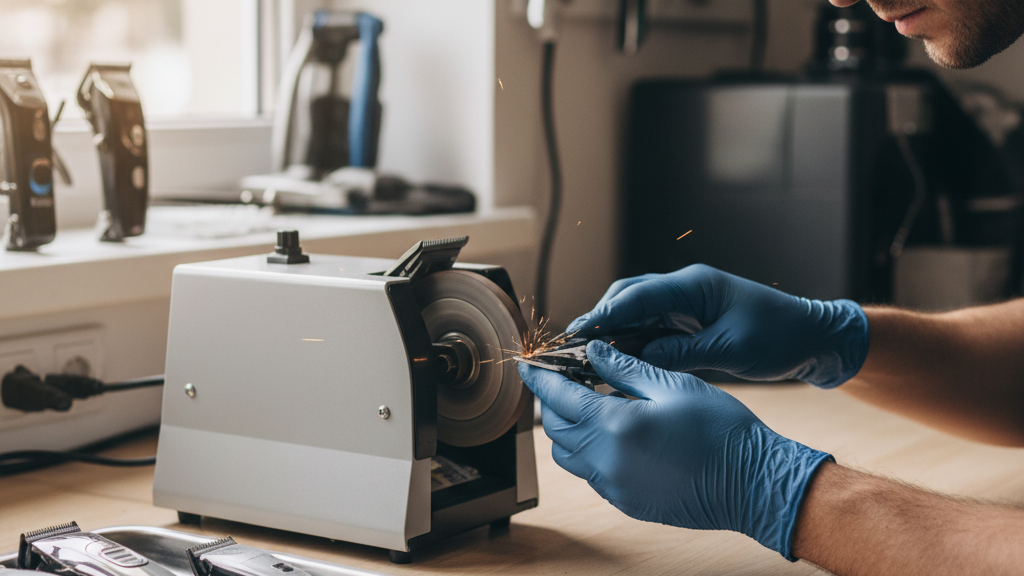
Sharpening a clipper blade involves carefully abrading the cutting surfaces to remove the dull, rounded edge and create a new, acute angle. This process typically uses precision grinding wheels or abrasive plates, often coated with diamond particles, to achieve the necessary fineness.
The goal is to remove as little material as possible while achieving a perfectly flat and sharp edge on both the stationary and moving blades. The angle at which the blades are sharpened is critical; it must match the original manufacturer's specifications to ensure the blades mesh correctly and cut efficiently. Incorrect angles can lead to poor cutting performance, increased wear, or even damage to the clipper motor.
Maintaining sharp blades isn't just about tool care; it's a direct investment in the quality of your craft and the satisfaction of your clients. A truly sharp blade transforms the haircutting experience.
Signs It's Time for a Sharpen: Don't Compromise Your Craft
Knowing when your clipper blades need sharpening is crucial for maintaining both the quality of your cuts and the comfort of your clients. Ignoring these signs can lead to frustration and potentially poor results. Here are the common indicators that your blades are losing their edge and it's time for professional attention:
Pulling or Snagging Hair
This is perhaps the most obvious and uncomfortable sign. If your clippers are pulling or snagging hair instead of cutting cleanly, it's a clear indication that the blades are dull. This causes discomfort for the client and makes achieving an even cut extremely difficult. You might also notice clients flinching or complaining during the cut.
Uneven Cuts and Dull Finish
Dull blades struggle to cut all hairs uniformly, leading to an uneven finish. You might find yourself having to go over the same section multiple times to achieve the desired length, which is inefficient and can still result in a patchy look. The hair might also appear less defined or "chewed" rather than cleanly cut.
Increased Noise or Vibration
As blades dull, they require more effort from the clipper motor to move through hair. This increased strain can manifest as louder operation or more noticeable vibration from the clipper itself. While some noise is normal, a significant increase often signals dull blades or a need for better lubrication.
Visible Wear and Tear
Sometimes, the dullness is visible to the naked eye, particularly on the cutting edges. You might notice tiny nicks, burrs, or a rounded appearance where the sharp edge should be. Running your fingertip very carefully along the edge (away from the cutting direction) might reveal a less-than-smooth surface if the blades are dull.
The Professional Sharpening Process: Precision Restored
When you choose to have your clipper blades professionally sharpened, you're opting for a meticulous process designed to restore them to their original, factory-sharp condition. This isn't a quick fix; it's a skilled craft that ensures longevity and performance.
Disassembly and Cleaning
The first step involves carefully disassembling the clipper blades, separating the stationary and moving components. Each part is then thoroughly cleaned to remove any accumulated hair, dirt, oil, and rust. This ensures a clean surface for sharpening and prevents contaminants from interfering with the process.
Grinding and Honing
This is the core of the sharpening process. Using specialised, high-precision grinding machines, the cutting edges of both blades are carefully abraded. The sharpener works to restore the original cutting angle, removing only the minimal amount of material necessary to create a new, razor-sharp edge. For ceramic blades, diamond-coated wheels are often used due to the material's hardness. Honing then refines this edge, removing any microscopic burrs and polishing the surface for an ultra-smooth finish.
Testing and Reassembly
Once sharpened, the blades are reassembled, carefully aligning them to ensure perfect meshing. They are then tested on a strand of hair or a test patch to confirm their cutting efficiency and smoothness. Professional sharpeners will also apply a light coat of oil to protect the newly sharpened edges and ensure smooth operation before returning them to you.
Ready for a Signature Cut?
Experience a precise, unhurried cut at Clipper Culture. Book your next appointment with us.
DIY Sharpening: A Risky Business (and Why Professionals Excel)
While the idea of sharpening your own clipper blades might sound appealing, especially with various online tutorials suggesting methods like using sandpaper or aluminium foil, it's generally a risky endeavour that rarely yields satisfactory results. Professional sharpening is a highly specialised skill for good reason.
The Dangers of Amateur Attempts
Attempting to sharpen clipper blades without the correct tools, knowledge, and experience can lead to several problems:
- Blade Damage: You can easily chip, bend, or completely ruin the delicate edges, making them unsharpenable by even a professional.
- Incorrect Angles: Failing to maintain the precise cutting angles will result in blades that don't mesh correctly, leading to poor cutting, increased friction, and accelerated wear.
- Uneven Sharpening: Hand sharpening often creates uneven surfaces, causing the blades to "chew" hair rather than cut it cleanly.
- Reduced Lifespan: Incorrect sharpening can remove too much material or introduce structural weaknesses, reducing the overall lifespan of the blades.
- Clipper Damage: Improperly sharpened blades can put undue strain on your clipper's motor, potentially leading to costly repairs or premature failure of the entire unit.
For the intricate work of barbering, precision is key, and compromised tools simply won't cut it.
The Precision of Specialist Equipment
Professional sharpeners invest in expensive, purpose-built machinery designed specifically for clipper blades. These machines ensure consistent angles, precise material removal, and a mirror-smooth finish that hand methods cannot replicate. They are calibrated to handle various blade types and materials, from steel to ceramic, ensuring optimal results every time.
Choosing a professional service for your clipper blade sharpening is an investment in the longevity of your tools and the consistent quality of your work. It ensures your blades are returned to their peak performance, ready for the next cut.
Beyond Sharpening: Maximising Your Blade's Lifespan
While professional sharpening is crucial, it's just one part of a comprehensive maintenance routine that can significantly extend the life and performance of your clipper blades. Regular care can reduce the frequency of sharpening needed and ensure your tools remain in excellent condition.
Regular Cleaning and Oiling
This is perhaps the most important daily maintenance task. After every haircut, brush off loose hair from the blades. Then, disinfect and oil them. Under NSW guidance on barber hygiene standards, detachable clipper blades must be cleaned before they are reused. High-quality clipper oil reduces friction, dissipates heat, and prevents rust. It ensures the blades glide smoothly, reducing wear and tear. A few drops before and after each use can make a remarkable difference.
Proper Storage Techniques
How you store your blades matters. Always store them in a clean, dry place, ideally in a protective case or tray. This prevents accidental drops, chips, and exposure to dust or moisture that can lead to rust. Avoid simply tossing them into a drawer with other tools where they can be damaged.
Knowing When to Replace
Even with the best care and regular sharpening, blades eventually reach the end of their useful life. There comes a point where too much material has been removed, or the blade's structure is compromised beyond repair. If blades are frequently chipping, struggling to hold an edge after sharpening, or if the clipper itself is showing signs of wear, it might be more cost-effective to invest in a new set of blades or a new clipper altogether. A professional barber supplier or sharpening service can often advise on this.
Choosing a blade sharpening service
When your clipper blades need sharpening, selecting the right service is as important as the sharpening itself. For barbers and individuals in Glen Alpine, Campbelltown, Camden, and Narellan, finding a reliable and expert sharpener ensures your tools are in safe hands.
Expertise and Specialisation
Look for a service that specialises in clipper blade sharpening, not just general tool sharpening. Specialists will have the correct equipment and the specific knowledge required for the intricate angles and materials of clipper blades. Ask about their experience and the types of blades they regularly sharpen.
Quick Turnaround and Reliability
As a barber, downtime for your tools means downtime for your business. A good sharpening service will offer a reasonable turnaround time, allowing you to get your essential tools back quickly. Reliability in their service and consistent quality are paramount.
Local Convenience in Macarthur
The convenience of a local service in the Macarthur region means less travel time and quicker access to getting your blades back in action. Always ensure any service you choose comes highly recommended by other professionals in the industry.
Investing in professional blade sharpening is a smart move for anyone serious about the quality of their cuts. It extends the life of your valuable tools and ensures that every haircut you give is precise, comfortable, and a true reflection of your skill.
Frequently Asked Questions
How often should clipper blades be sharpened?
The frequency depends heavily on usage. For professional barbers, blades might need sharpening every few months. For home users, once a year or every few years might suffice. Listen to your blades – if they're pulling hair or cutting unevenly, it's time.
Can all types of clipper blades be sharpened?
Most professional-grade steel and ceramic clipper blades can be sharpened. However, very cheap or disposable blades might not be designed for it. Always check with a professional sharpener if you're unsure about a specific blade type.
What's the difference between sharpening and honing?
Sharpening refers to the process of creating a new cutting edge by removing material. Honing is a finer process that refines and polishes that newly created edge, removing any microscopic burrs and making it even smoother and sharper. Both are crucial for optimal blade performance.
Does sharpening reduce the life of the blade?
While sharpening removes a small amount of material, professional sharpening is done precisely to maximise the blade's lifespan. It's designed to restore performance, extending the blade's usability far beyond what a dull blade would offer. A single blade can often be sharpened multiple times before needing replacement.
Why is oiling clipper blades so important?
Oiling your clipper blades regularly is vital for several reasons: it reduces friction and heat build-up, prevents rust and corrosion, and ensures the blades glide smoothly. This not only extends the life of your blades and clipper motor but also provides a more comfortable and efficient cutting experience.
Visit Clipper Culture Today
We pride ourselves on precision, style, and a comfortable atmosphere for all our clients across the Macarthur region.
Book the chair.
Private, timed appointments in Glen Alpine, NSW — after-hours and weekends welcome.