
Key Takeaways
- The iconic red, white, and blue barber pole symbolises the trade's medieval origins as surgeon-barbers who performed bloodletting and other medical procedures.
- Each colour represents a specific element from these historical practices: red for blood, white for bandages, and blue for veins (or sometimes patriotism).
- Today, while the medical connection is long gone, the barber pole remains a globally recognised and cherished emblem of traditional barbering, signifying a place for quality men's grooming.
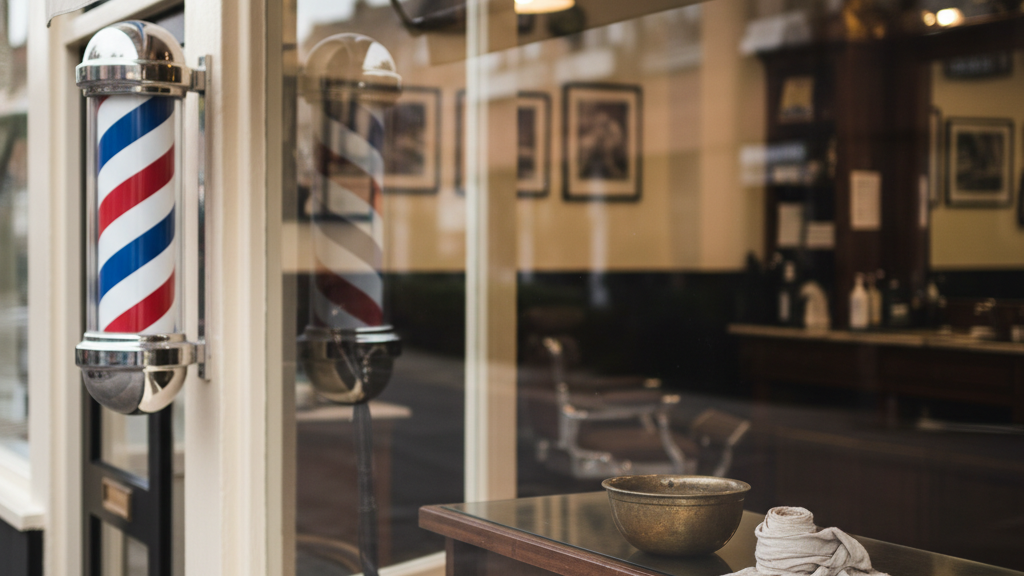
Walk past almost any barbershop and a familiar sight catches the eye: the distinctive red, white and blue helix of a barber pole. It’s a timeless emblem, instantly signalling a place where skilled hands shape hairlines and craft sharp styles. But have you ever paused to ask why barber poles are red, white and blue? What’s the fascinating history behind this iconic symbol?
At Clipper Culture, we’re not just passionate about delivering precision cuts and modern grooming. We also appreciate the rich heritage of our craft. The barber pole's origins are deeply rooted in a past far more complex and surprising than many realise, connecting modern barbering to ancient medical practices.
The Enduring Mystery: Unravelling the Barber Pole's Origins
The barber pole is arguably one of the most recognisable commercial signs in the world, yet its true meaning often remains a mystery to the casual observer. This rotating cylinder, typically adorned with spiral stripes of red, white, and blue, has transcended its original purpose to become a universal symbol of a barber shop. Its enduring presence speaks volumes about the trade's long and storied history.
Understanding the barber pole’s symbolism requires a journey back in time, to an era when barbers were more than just stylists. They were essential figures in community health, performing a range of services that would surprise today’s clientele. This deep historical connection is what makes the red, white, and blue so meaningful.
A Symbol Across Continents
While often associated with American barber shops, the barber pole’s roots are firmly planted in medieval Europe. Its design, colour scheme, and rotational movement all carry historical significance that dates back centuries. The symbol travelled across the Atlantic with early European settlers, eventually becoming a staple of the American streetscape and, by extension, a global icon.
Every spin of the pole is a quiet nod to this rich past, connecting modern barbers to a lineage of skilled practitioners stretching back hundreds of years. It’s a powerful reminder that some traditions, even those with surprising origins, continue to thrive and evolve.
More Than Just a Sign
For many, the barber pole is simply a signpost, a visual cue to locate a place for a haircut. However, its historical context reveals it as a profound representation of a profession that once held significant societal importance. It’s a testament to how symbols can adapt and retain their power, even as the practices they represent change dramatically.
The rotating motion of the pole itself adds an element of visual intrigue, drawing attention and creating a sense of dynamic energy. This movement, combined with the striking colours, ensures the barber pole remains an effective and memorable piece of branding, even in our digitally saturated world.
Bloodletting and Barbers: A Gory History
To truly understand the red, white, and blue, we must delve into a rather confronting aspect of medieval medicine: bloodletting. For centuries, barbers were not solely focused on hair and shaving; they were also highly regarded medical practitioners, often referred to as "barber-surgeons." Their services extended far beyond a trim, encompassing a wide array of surgical procedures.
This dual role of barber and surgeon explains the pole's unique symbolism. The tools and substances used in these medical practices are directly represented in the colours and design. It's a stark reminder of a time when the lines between personal grooming and healthcare were considerably blurred.
The Surgeon-Barbers of Medieval Europe
In medieval and early modern Europe, barbers were skilled craftsmen who possessed sharp razors and an understanding of basic anatomy. This made them ideal candidates for performing minor surgical procedures, a role that became formalised over time. From tooth extractions to setting bones, and most notably, bloodletting, barber-surgeons were the go-to medical professionals for common ailments.
Their services were often more accessible and affordable than those of university-trained physicians, making them vital members of every community. This historical context is crucial for appreciating the full meaning of the barber pole as a symbol of their extensive and varied responsibilities.
Tools of the Trade: Basin, Staff, and Bandages
The iconic barber pole itself is believed to represent the staff that patients would grip during a bloodletting procedure. This staff, often made of wood, gave the patient something to hold onto, allowing the veins in their arm to stand out more prominently. The bandages used to staunch the blood and dress the wound would then be wrapped around this staff, often left outside to dry, twisting in the wind.
The basin at the top and bottom of the pole historically represented the vessels used to collect blood and leeches during the procedure. These practical elements, combined with the drying bandages, gradually evolved into the distinctive striped design we recognise today. It's a fascinating evolution from functional tools to a powerful emblem of the trade.
The barber pole is a living piece of history, a constant reminder that the craft of barbering once encompassed surgical precision and a profound understanding of human anatomy. It's a testament to the versatility and crucial role barbers played in their communities.
Decoding the Colours: What Red, White, and Blue Truly Represent
The colours of the barber pole are not arbitrary; each hue carries a specific, often macabre, historical meaning derived from the medieval practices of barber-surgeons. Understanding these individual meanings illuminates the symbol's deeper significance and its evolution over time.
While the visual appeal of the red, white, and blue combination is undeniable, its historical roots are far more practical and directly linked to the services provided by these early practitioners. Let's break down what each colour originally represented.
Red: The Mark of Blood
The vibrant red stripe on the barber pole unequivocally symbolises blood. This directly references the practice of bloodletting, a common medical treatment for various ailments in medieval times. It was believed that releasing "bad blood" could cure illnesses, and barber-surgeons were the ones to perform this procedure.
The red served as a clear, albeit unsettling, indicator to the public that this establishment offered such services. It was a functional colour, communicating a primary aspect of the barber-surgeon's trade to a largely illiterate populace. This connection to blood is the most historically consistent and widely accepted interpretation of the red stripe.
White: Purity and Bandages
The crisp white stripe on the barber pole represents the bandages used during and after medical procedures. These clean white strips of cloth were essential for stanching blood, dressing wounds, and maintaining hygiene, insofar as it was understood at the time. After use, these blood-soaked bandages would often be washed and hung out to dry, spiralling around the pole.
White also carried connotations of purity and cleanliness, qualities that were highly valued (and often aspirational) in a medical setting. It contrasted sharply with the red, providing a visual balance and completing the narrative of the barber's medical role.
Blue: A Nod to Veins or a Patriotic Addition?
The blue stripe is where the historical interpretation becomes a little more nuanced. There are two primary theories regarding its inclusion:
- Veins: One popular theory suggests that the blue represents the veins that were cut during bloodletting procedures. This completes the gory tableau, depicting the full scope of the barber-surgeon's work from blood to bandages to the very vessels involved.
- Patriotism: Another widely accepted explanation, particularly in the United States, is that the blue was added later to incorporate the colours of the American flag (red, white, and blue). This would have given the pole a patriotic significance, a subtle nod to national identity alongside its historical medical meaning. This theory suggests the blue is a more modern addition, differentiating it from earlier European poles that were typically just red and white.
Both theories hold merit, and it's possible that the blue's meaning evolved over time, taking on patriotic connotations in certain regions while retaining its anatomical symbolism for others. Regardless, the combination has become intrinsically linked to the barber's craft.
From Medical Practice to Modern Icon: The Evolution of the Barber Pole
The transition of the barber pole from a gruesome medical sign to a symbol of stylish grooming is a fascinating journey. This evolution closely mirrors the changing roles and perceptions of barbers themselves, as medicine became more specialised and the focus of barbering shifted.
The story of the barber pole is one of adaptation, demonstrating how a powerful symbol can endure and redefine its meaning across centuries. It's a testament to the resilience of cultural iconography.
The Separation of Trades
Over time, the fields of medicine and barbering began to diverge. In England, for example, the Company of Barbers and the Company of Surgeons were formally separated by an Act of Parliament in 1745. This legislative move marked a clear distinction between the two professions, with surgeons requiring more extensive training and barbers focusing primarily on hair cutting, shaving, and grooming.
As the medical practices ceased to be part of the barber's repertoire, the pole's meaning gradually shifted. It retained its visual identity but began to symbolise the barber's shop as a place of personal care and aesthetic refinement, rather than medical intervention. This separation was a critical turning point in the pole's symbolic journey.
Standardisation and American Influence
While the red and white pole was common in Europe, the addition of blue became particularly prevalent in North America. As mentioned, this is often attributed to the patriotic colours of the American flag, cementing the red, white, and blue combination as the standard for barber poles across the continent and eventually, the world.
The industrial revolution and mass production also played a role, making the distinctive rotating poles more widely available and affordable. This led to a standardisation of the design, ensuring that the barber pole became an instantly recognisable and consistent symbol wherever it was displayed. The rotating mechanism, often powered by a small electric motor, further enhanced its visual appeal and attention-grabbing qualities.
Ready for a fresh cut?
Experience the difference of a precision haircut and expert grooming at Clipper Culture in Glen Alpine.
Why Barber Poles Are Still Red, White and Blue
In the modern era, the barber pole has shed its medical connotations entirely. It stands proudly as a beacon for quality men's grooming, a symbol of tradition, skill, and community. While the services offered have dramatically changed, the essence of the barber shop as a dedicated space for men to look and feel their best remains.
For barbers today, the pole represents a commitment to the craft and a connection to a rich legacy. It tells clients they are entering an establishment dedicated to the art of barbering, where attention to detail and customer satisfaction are paramount.
Local Symbolism and Global Recognition
Whether you're in Glen Alpine, Camden, or any major city globally, the red, white, and blue barber pole is a universally understood sign. It transcends language barriers and cultural differences, instantly communicating the presence of a barber shop. This global recognition speaks to the power and endurance of its design.
For local communities in the Macarthur region, the pole signifies a trusted local business. It's a comforting sight, promising consistent quality and a welcoming atmosphere.
Beyond the Pole: Modern Barber Culture at Clipper Culture
At Clipper Culture, while we honour the traditions symbolised by the barber pole, we also embrace the modern evolution of men's grooming. We understand that today's clientele in Glen Alpine, Campbelltown, and surrounding areas seek more than just a haircut. They desire a precise, modern cut tailored to their style, a comfortable and clean environment, and a barber who genuinely cares about the finish.
Our focus is on providing a premium experience, from timed appointments that respect your schedule to after-hours availability for your convenience. We believe every cut is a signature finish, delivered in a private, calm space without the crowds or rush of a typical salon. We cater to men, teens, and parents booking for kids, ensuring everyone leaves feeling confident and looking sharp.
At Clipper Culture, you'll find a contemporary approach to classic barbering. We blend the best of tradition with modern techniques and personalised service, ensuring you receive a careful, precise cut.
Frequently Asked Questions
Why do barber poles spin?
The spinning motion of the barber pole is primarily an attention-grabbing device. It creates a dynamic visual effect that makes the pole more noticeable and helps it stand out, particularly in busy streetscapes. While some theories link the spinning to the "drying bandages" concept, its main function today is to attract customers.
Are all barber poles red, white, and blue?
While red, white, and blue is the most common and globally recognised colour scheme, especially in North America and Australia, some older or European barber poles may only feature red and white stripes. The blue stripe is often considered a later addition, particularly with patriotic associations in the United States.
When did barbers stop performing medical procedures?
The separation of barbering and surgical practices occurred gradually over centuries, formally beginning in Europe. In England, for instance, the Act of Parliament in 1745 legally distinguished barbers from surgeons. By the 19th century, the medical role of barbers had largely ceased, and they focused almost exclusively on hair cutting and shaving.
Does Clipper Culture offer traditional barber services?
Yes, Clipper Culture offers traditional barber services with a modern twist. This includes classic haircuts, sharp fades, beard trims, and hot towel shaves. We combine time-honoured techniques with contemporary styles to ensure you get the best of both worlds.
How can I book an appointment at Clipper Culture?
Booking an appointment at Clipper Culture is easy! You can visit our website or give us a call directly. We offer convenient online booking and flexible hours, including after-hours appointments, to fit your busy schedule in Glen Alpine and the wider Macarthur region.
Your Style, Our Passion: Experience Clipper Culture
The barber pole is a powerful reminder of the enduring legacy and evolving nature of the barbering profession. From its origins in medieval medicine to its current status as a symbol of modern grooming, it tells a story of skill, dedication, and community service. At Clipper Culture, we proudly carry on this tradition, blending history with contemporary style.
We understand that a great haircut is more than just a trim; it's about confidence, personal expression, and feeling your best. Jonah is dedicated to providing meticulous service, ensuring every client leaves our Glen Alpine studio looking sharp and feeling refreshed.
Precision Cuts in Glen Alpine
Located conveniently for clients across Glen Alpine, Campbelltown, Camden, and Narellan, Clipper Culture is your destination for quality barbering. We specialise in precision cuts, modern fades, and expert beard grooming, all delivered in a private, comfortable setting. Our commitment to timed appointments means no waiting around, just focused, personalised attention.
The Clipper Culture difference
We invite you to discover the Clipper Culture difference. Whether you're a style-conscious bloke, a teenager looking for the latest trend, or a parent seeking a calm, child-friendly barber, we're here to exceed your expectations. Experience the blend of tradition and modernity that defines our craft.
Visit Clipper Culture Today
Ready to experience a modern barbering experience rooted in tradition? Find us in Glen Alpine for your next precision cut or grooming service.
Book the chair.
Private, timed appointments in Glen Alpine, NSW — after-hours and weekends welcome.