
Key Takeaways
- Medieval barbers, known as barber-surgeons, performed a wide array of medical procedures, including bloodletting, wound treatment, and tooth extractions, far beyond simple haircuts.
- Their role evolved from a practical necessity due to the scarcity of trained physicians, making them central figures in community health and hygiene.
- Today, modern barbers like Clipper Culture focus on specialised grooming, delivering precision haircuts and styling in a clean, professional environment, a stark contrast to their historical counterparts.
When you step into a contemporary barber shop like Clipper Culture in Glen Alpine, you expect a sharp haircut, a clean shave, and perhaps some expert styling advice. The chairs are comfortable and the atmosphere is relaxed. But cast your mind back to medieval Europe, and the role of the barber was vastly different, far exceeding mere hair maintenance.
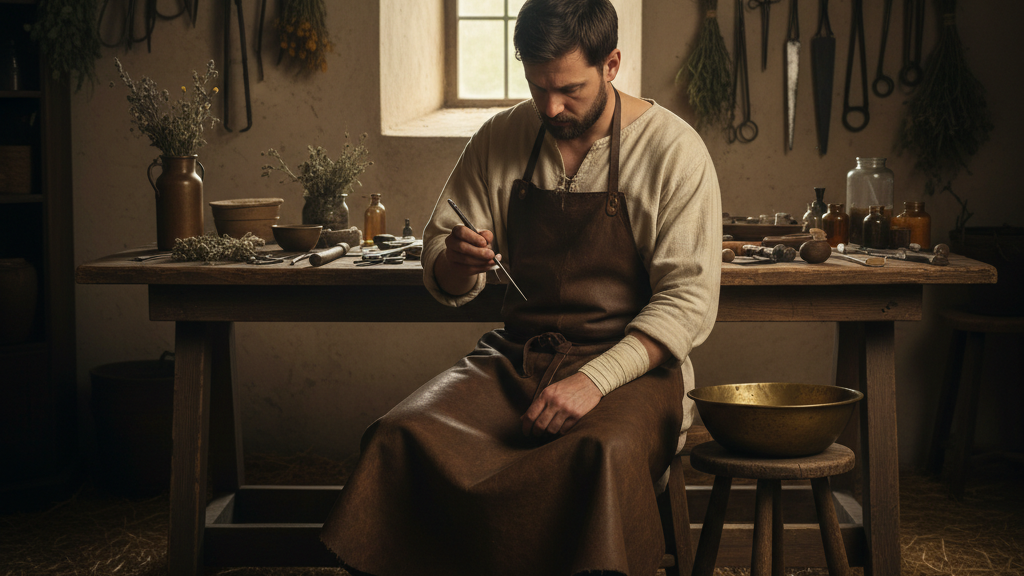
In a time before specialised medical fields, barbers were the go-to practitioners for a surprising range of health services. From setting bones to pulling teeth, these "barber-surgeons" were indispensable figures in their communities. The history shows a long journey from a multi-faceted medical role to the modern grooming we practise today at Clipper Culture, serving the Macarthur region.
The Rise of the Barber-Surgeon: A Medieval Necessity
In medieval Europe, the distinction between various medical professions was often blurred, if it existed at all. Formal medical training was rare and reserved for the elite, leaving a significant gap in healthcare provision for the common person. This is where the barber-surgeon stepped in, becoming a vital, albeit often misunderstood, figure.
Their journey to becoming medical practitioners was largely practical. Barbers already possessed sharp tools, a steady hand, and experience with basic hygiene. These skills were easily transferable to rudimentary surgical procedures, making them the most accessible option for many communities, especially outside major urban centres.
Early origins
The origins of the barber-surgeon can be traced back to monastic practices. Monks were initially responsible for many medical procedures, including bloodletting, a common treatment for various ailments.
Barbers, who were already adept with razors, gradually took over much of this work. They became the primary providers of minor surgical and medical treatments, laying the groundwork for a profession that would last for centuries. This shift meant that the local barber was often the first, and sometimes only, point of contact for medical issues in a village or town.
Beyond the Blade: Surgical Procedures and Medical Interventions
While the modern barber focuses on precision cutting and styling, their medieval counterparts were skilled in a much broader, and often more gruesome, array of procedures. The barber-surgeon was essentially the general practitioner of their era, handling everything from battle wounds to everyday ailments. Their practice was a blend of practical skill, folk remedies, and often, sheer bravery.
Wound Treatment and Minor Surgery
One of the primary services provided by medieval barbers was wound treatment. In a time of frequent conflicts and dangerous daily life, injuries were common. Barber-surgeons would clean, stitch, and bandage wounds, often using crude instruments and rudimentary antiseptics like wine or vinegar. They were also called upon to remove foreign objects, such as arrows or splinters, from the body.
They performed minor surgeries, which included lancing boils, draining abscesses, and even amputating digits or limbs in extreme cases. These procedures, carried out without anaesthesia or a deep understanding of infection, were incredibly painful and carried high risks. Yet, they were a crucial part of keeping communities functional.
Setting Bones and Treating Fractures
Fractures and dislocations were another common issue that fell under the barber-surgeon's remit. With no X-rays or advanced orthopaedic knowledge, their approach was largely empirical. They would attempt to manually realign broken bones, often relying on their sense of touch and experience to determine the correct positioning. Once aligned, the limb would be immobilised using splints made from wood, leather, or even hardened cloth.
While their methods were basic by today's standards, many barber-surgeons developed a surprising degree of skill in these areas, becoming invaluable assets in communities where serious injuries were a daily reality. The ability to restore some functionality to an injured limb could mean the difference between life and destitution for a peasant.
Dental Care (or Lack Thereof): Barbers as Early Dentists
Oral hygiene in medieval Europe was, by modern standards, almost non-existent. Tooth decay, gum disease, and painful abscesses were rampant. Unsurprisingly, the barber-surgeon was also the primary provider of dental care, which largely consisted of one painful procedure: tooth extraction.
Equipped with pliers and a strong grip, barbers would pull aching or infected teeth. This was often a last resort, undertaken only when the pain became unbearable. The procedure was performed without any form of anaesthesia, making it a terrifying experience for the patient. Despite the brutality, a successful extraction offered immediate relief from severe pain, cementing the barber's role as a crucial figure in alleviating suffering.
Tools of the Trade: Primitive Dental Instruments
The dental instruments used by barber-surgeons were rudimentary. Pliers, forceps, and various levers were common, often repurposed from other trades. There was little understanding of sterilisation, which meant infections after extractions were a significant risk. Yet, the sheer demand for relief from dental pain ensured a steady stream of patients to the barber's chair.
The medieval barber's shop, with its array of sharp implements and often blood-stained aprons, was a hub of both grooming and grim medical practice. It was a place where a toothache could be cured with a swift, brutal pull, and a festering wound meticulously, if painfully, attended to.
Bleeding, Cupping, and Other 'Cures': The Science of the Day
Beyond surgical interventions, barber-surgeons were also practitioners of prevailing medical theories, most notably the theory of the four humours. This ancient Greek concept, which held that the body was composed of four basic fluids—blood, phlegm, yellow bile, and black bile—dictated much of medieval medical practice. Imbalances in these humours were believed to cause illness, and restoring balance was the key to health.
The Practice of Bloodletting
Bloodletting was perhaps the most common and iconic procedure performed by barber-surgeons. It was believed that removing 'excess' blood could cure a vast range of ailments, from fevers and inflammation to mental illness. Patients would have a vein opened, often in the arm, and blood would be collected into a bowl. The amount removed depended on the perceived severity of the illness and the patient's constitution.
The iconic red and white striped pole outside barber shops is a direct legacy of this practice. The red symbolised blood, the white symbolised bandages, and the pole itself represented the staff patients would grip during the procedure to encourage blood flow. While scientifically unsound, bloodletting was a deeply ingrained medical practice for centuries.
Cupping and Leeching
Other therapeutic techniques included cupping, where heated glass cups were applied to the skin to create a vacuum, drawing blood to the surface and supposedly removing 'bad' humours. This could be either 'wet cupping', involving a small incision to draw blood, or 'dry cupping', which aimed to reduce inflammation without drawing blood.
Leeching was another popular method, particularly for conditions like skin infections or localised pain. Medicinal leeches were applied to the skin, where they would feed on blood, with the belief that they were drawing out toxins or balancing humours. These practices, while crude and often ineffective, were the best available 'science' of the time, and barber-surgeons were the primary administrators.
Ready for a Modern Grooming Experience?
Step into Clipper Culture for precision cuts and a refreshing atmosphere in Glen Alpine.
The Barber's Shop: A Hub of Community and Health
Far from just a place for a quick trim, the medieval barber's shop was a vibrant centre of community life. It was a place where news was exchanged, gossip was shared, and vital health services were rendered. For many, it was the closest thing to a public health centre, offering a range of services that impacted daily well-being.
Hygiene and Personal Care
Beyond the more dramatic medical procedures, barbers also provided essential personal care services. This included shaving, hair cutting, and often bathing, which was a luxury for many during this period. They were instrumental in maintaining basic personal hygiene, particularly for men, who relied on barbers for regular shaving and grooming to maintain a presentable appearance.
These services, while seemingly mundane, were crucial for social standing and comfort. In an era without widespread plumbing or personal grooming products, the barber's shop offered a place to clean up and feel refreshed.
Social Gathering and Information Exchange
The barber's shop also served as a critical social hub. People gathered there not just for services but for companionship and information. It was a place to catch up on local happenings, discuss politics, and share stories. This social function made the barber a well-connected individual, often privy to the intimate details of many lives within the community.
This dual role as a healthcare provider and a social facilitator made the barber-surgeon an indispensable and respected, if sometimes feared, figure in medieval society.
From Barber-Surgeon to Modern Grooming: A Transformation
The long journey from the medieval barber-surgeon to the modern barber is a testament to the evolution of medical science and societal needs. As medical knowledge advanced, the roles of surgeons, physicians, and dentists became increasingly specialised, gradually separating from the barber's domain. This specialisation was a slow but steady process, culminating in the distinct professions we recognise today.
The Great Separation: Medicine and Hairdressing Divide
The 18th century saw a significant push towards formal medical education and regulation. Surgeons began to distance themselves from barbers, forming their own professional colleges and establishing rigorous training standards. This period marked the official separation of surgery from the barber's trade, with barbers eventually focusing almost exclusively on hair cutting, shaving, and grooming.
This division was crucial for the advancement of both fields. Medicine could develop as a scientific discipline, free from the constraints of traditional barbering practices, while barbering could evolve into a refined craft focused on aesthetics and style. The red and white pole remained, a nostalgic symbol of a bygone era, but the services within the shop transformed dramatically.
Clipper Culture: Honouring Tradition with Modern Craft
At Clipper Culture in Glen Alpine, we appreciate the rich history of our profession. While our medieval predecessors performed complex medical procedures, our focus is entirely on delivering exceptional grooming services tailored to the needs of men and boys in the Macarthur region, including Campbelltown, Camden, and Narellan.
Precision, Style, and Client Comfort
Our commitment is to precision haircuts, expert shaves, and a comfortable, professional experience. We believe that a great haircut isn't just about trimming hair; it's about crafting a look that suits your individual style, enhances your features, and boosts your confidence.
- Expert Consultations: We take the time to understand your desired look and offer professional advice.
- Modern Techniques: Sharp fades, classic cuts and current styles.
- Relaxing Atmosphere: A clean, private space designed for your comfort, free from the rush of traditional salons.
- Child-Friendly Service: Creating a calm and welcoming environment for younger clients.
The Evolution of Expertise: Why Specialisation Matters Today
The specialisation of roles is a hallmark of modern society, and barbering is no exception. By focusing exclusively on hair and grooming, we can dedicate ourselves to the craft of cutting hair. This means you get a barber who is truly an expert in their field, not a jack-of-all-trades.
At Clipper Culture, you won't find us pulling teeth or performing bloodletting. Instead, you'll find a barber passionate about careful, precise haircuts and grooming, ensuring you leave looking and feeling your best. Our heritage might be rooted in a diverse past, but our future is firmly focused on specialised excellence in modern barbering.
Frequently Asked Questions
What was a barber-surgeon?
A barber-surgeon was a medieval practitioner who performed both barbering services (haircuts, shaves) and a range of medical procedures, including minor surgery, bloodletting, and tooth extractions. They were essential healthcare providers in their communities due to the scarcity of trained physicians.
Why did barbers perform medical procedures?
Barbers performed medical procedures primarily because they already possessed sharp tools and a steady hand. There was also a general lack of specialised medical professionals in medieval Europe, a gap that barbers, with their practical skills, were well-placed to fill.
What is the significance of the barber pole?
The red and white stripes of the traditional barber pole symbolise the blood (red) and bandages (white) associated with the practice of bloodletting, a common medical procedure performed by barber-surgeons. The pole itself represented the staff patients would grip during the procedure.
When did barbers stop performing surgery?
The separation of surgery from barbering largely occurred in the 18th century, as medical professions became more formalised and specialised. Surgeons established their own colleges and training standards, leading barbers to focus solely on hair and grooming services.
How does Clipper Culture differ from medieval barbers?
Clipper Culture, a modern barber shop in Glen Alpine, focuses exclusively on contemporary grooming services like precision haircuts, expert shaves, and styling. We prioritise client comfort, hygiene, and delivering a personalised, high-quality aesthetic experience, a stark contrast to the medical and surgical duties of medieval barber-surgeons.
Visit Clipper Culture Today
Experience the modern art of barbering with a barber dedicated to precision and style right here in Glen Alpine, serving the greater Macarthur region.
Book the chair.
Private, timed appointments in Glen Alpine, NSW — after-hours and weekends welcome.